
ROOF REPAIR GUIDE / PERTH
ROOF FLASHING EXPLAINED.
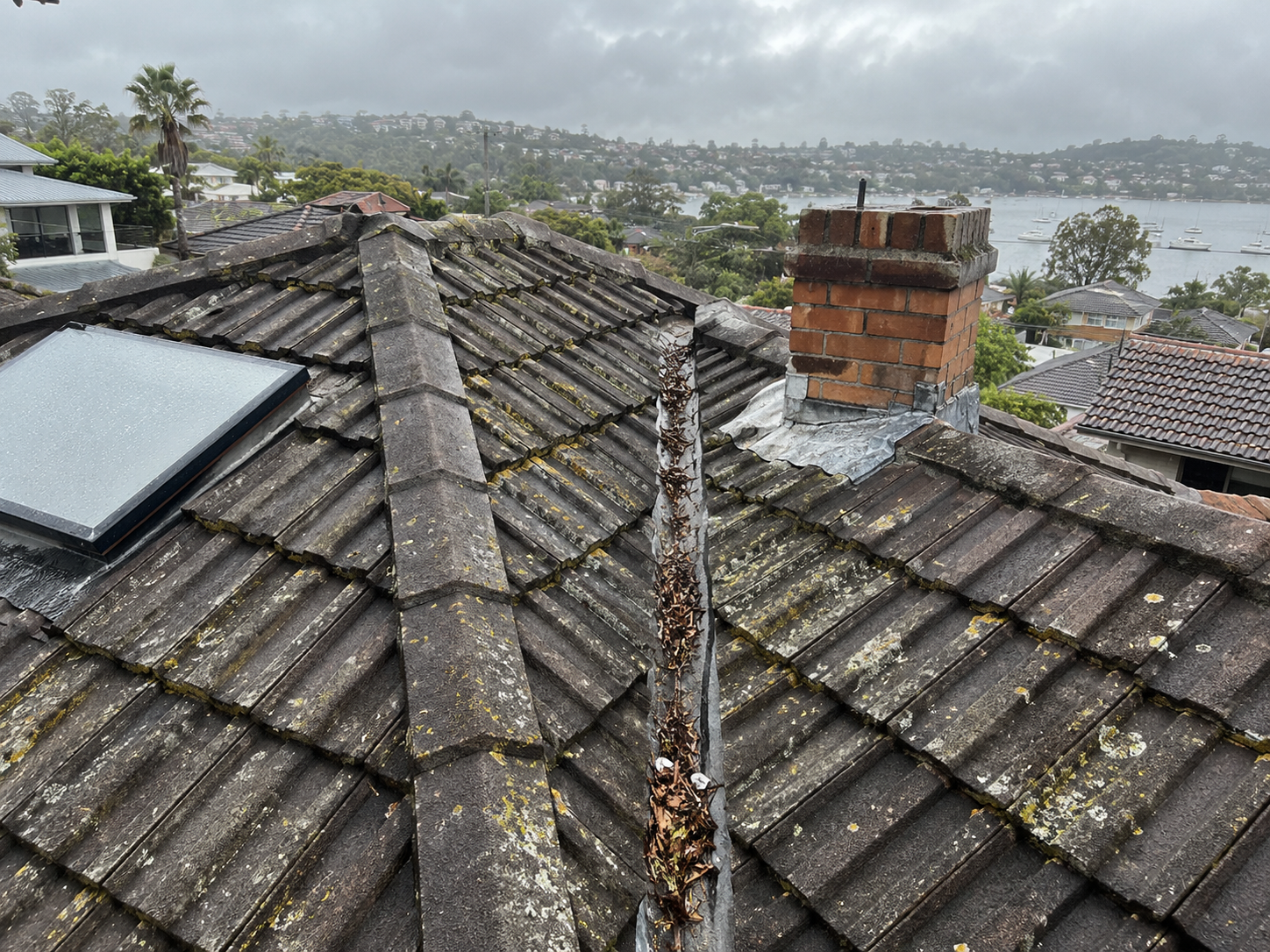
Roof flashing is a weatherproofing detail used where roof materials meet a wall, opening, penetration or change in direction. It helps manage water at a junction; it is a detail our team assesses as part of a complete flashing repair scope.
We provide: Roof valleys & flashing repairsDiscuss your roof repair
Roof flashing functions at building junctions
Flashing may be visible near roof-to-wall lines, chimneys, skylights, pipes, valleys or transitions between tile and metal roofing. The surrounding materials and the direction water travels are part of the same roofline context. A stain, lifted edge or old sealant at one point helps our team inspect the junction, adjoining materials and water path before recommending the repair work.
Safe ground-level flashing observations
- Identify the nearby feature, such as a wall, chimney, skylight, pipe penetration, valley or roof edge.
- Record visible separation, corrosion, staining, debris or water appearing after rain without touching the roof detail.
- Note the adjoining roof material and whether an interior mark or drip appears to relate to the same area.
Flashing defects requiring professional assessment
For a changed roof junction, leaks beside an adjoining feature or recurring water marks, contact us about roof valleys & flashing repairs. We inspect the junction, adjoining roof materials and drainage route, then explain the repairs and access arrangements needed for your property.
Where water is visible indoors, it can also help to read the roof leak repairs information before making contact. Use safe ground-level photos where they genuinely show the location, and do not climb onto a roof or enter an unsafe roof space to investigate.
START A ROOF REPAIR ENQUIRY.
Include the property suburb, the feature beside the observation, the roof material where known, what changed and the weather conditions in which it was noticed. Contact Ellis to arrange an on-site assessment. We confirm the appointment, inspect the roof and drainage, and provide the repair plan and written quote.
Ground-level observations to prepare before an inspection
- Identify the affected wall, chimney, roof penetration or valley from a safe position.
- Record whether water appears after wind-driven rain, prolonged rain or any rain event.
- Mention previous flashing or sealant work and provide existing photographs or repair documents.
- Note the adjoining roof material if known; do not climb onto the roof to collect measurements.
These observations help explain the enquiry; they do not establish a diagnosis or a safe DIY repair method.
Do not climb ladders, access roofs or approach damaged electrical equipment to collect information. Do not work from a roof or elevated gutter without controlled access. Photographs are optional and do not replace an on-site assessment by Ellis Services Group.
Flashing materials and adjoining roof components
We assess the flashing shape, adjoining roof materials and connected drainage before specifying repairs. The written quote identifies the affected components and suitable materials.
See the photographed chimney flashing example → · Roof valleys & flashing repairs →
Skylight leaks and separate equipment faults
Skylight moisture and separate equipment defects
Water near a skylight can come from the unit, its flashing, adjoining roof covering or another nearby source. The location of the indoor mark does not distinguish them. We assess the roof junction within our repair scope and explain when the unit or equipment needs a separate specialist.
The same distinction matters around vents, evaporative coolers and roof-to-wall connections. Include the affected opening and when water appears. A valley with leaves may need clearing, while deteriorated valley iron can need component work. We separate debris removal from repair or replacement of damaged metal.
Roof valleys & flashing repairs → · Discuss inspection arrangements →